In early December 2020, cybersecurity firm FireEye made a startling announcement: they had been hacked by a "highly sophisticated threat actor" who had stolen their proprietary security tools. FireEye is one of the most respected names in cybersecurity. If they could be breached, anyone could.
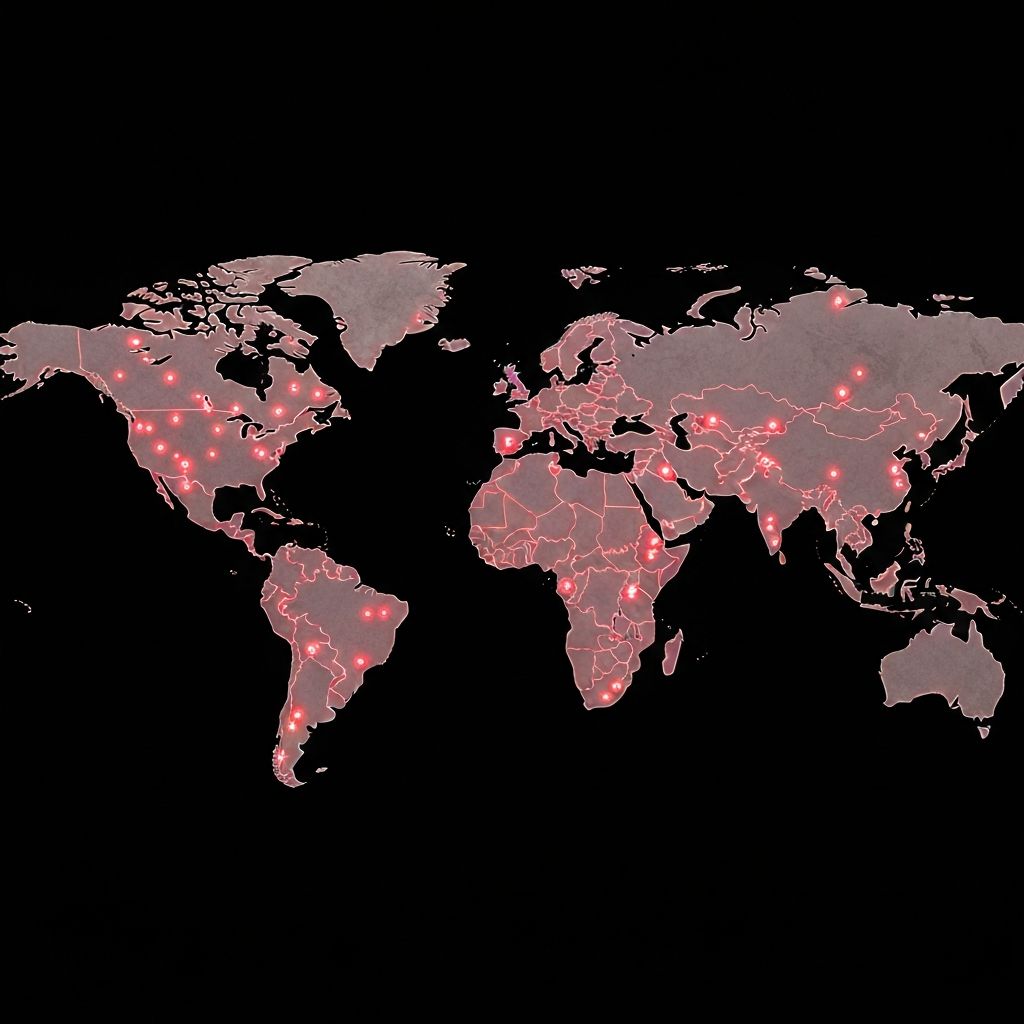
A week later, the full picture emerged. FireEye wasn't the target—they were just one victim among thousands. Attackers believed to be Russian intelligence operatives had compromised SolarWinds, a company that makes IT management software used by governments and corporations worldwide. By inserting malicious code into a routine software update, they had gained access to approximately 18,000 organizations.
The list of confirmed victims reads like a directory of critical American institutions: the Department of Treasury, Department of Commerce, Department of Homeland Security, Department of State, the National Nuclear Security Administration. Major tech companies including Microsoft, Intel, and Cisco. Fortune 500 corporations across every sector.
It was the most sophisticated and far-reaching cyber intrusion in history.
The Perfect Trojan Horse
SolarWinds' Orion platform is used for network monitoring and management. It needs deep access to an organization's IT infrastructure to do its job—it watches servers, checks network traffic, monitors applications. This made it the perfect target.
The attackers didn't try to break into SolarWinds' customers directly. Instead, they spent months inside SolarWinds' development environment, studying how the company built and distributed its software. Eventually, they inserted a backdoor into the Orion codebase—code that would be compiled, digitally signed with SolarWinds' legitimate certificate, and distributed to customers as a trusted update.
Between March and June 2020, approximately 18,000 organizations installed the trojanized update. Each one unknowingly opened a door for the attackers.
The malware, dubbed "Sunburst," was remarkably sophisticated. It would remain dormant for up to two weeks after installation to avoid detection. It disguised its communications to look like legitimate Orion protocol traffic. It could disable security tools, move laterally through networks, steal credentials, and download additional payloads. And it was digitally signed by SolarWinds—appearing to security software as completely legitimate.
Selective Targeting
Here's what made this attack particularly insidious: although 18,000 organizations installed the compromised update, the attackers only activated the backdoor for a select few. High-value targets. Government agencies. Security companies. Tech giants.
This selective approach made detection much harder. If every infected organization showed signs of compromise, someone might notice a pattern. By limiting active exploitation to specific targets, the attackers stayed hidden for over nine months.
Even FireEye's discovery was somewhat accidental. An alert security analyst noticed an unusual login—an employee appeared to be using a second phone for multi-factor authentication. Investigation revealed the attacker's presence, but only because they had made a small mistake.
The Aftermath
The full scope of what the attackers accessed may never be known. They had months of unfettered access to some of the most sensitive networks in the United States. Intelligence agencies, financial systems, nuclear facilities—all potentially compromised.
The cleanup was massive. Organizations had to assume that any system connected to an infected Orion installation might be compromised. Credentials had to be rotated. Systems had to be rebuilt from known-clean backups—if they existed. The process took months and cost billions of dollars in aggregate.
SolarWinds' stock price dropped by 40% in the days after the disclosure. The company's reputation as a trusted provider was permanently tarnished. Their CEO and several executives departed.
But beyond the immediate damage, SolarWinds fundamentally changed how organizations think about supply chain security.
The Death of Implicit Trust
Before SolarWinds, most organizations implicitly trusted their software vendors. If a reputable company released a digitally signed update, you installed it. That was considered best practice—keeping software updated is Security 101.
SolarWinds broke that assumption. The update was legitimate, in a sense—it came from SolarWinds, was signed by their certificate, went through their normal distribution channels. But it was compromised. Following best practices led to infection.
This created a crisis of trust. If you can't trust software updates, what can you trust? The answer, increasingly, is "nothing by default." The concept of Zero Trust—verify everything, trust nothing—moved from theoretical ideal to practical necessity.
Lessons for Every Organization
You probably aren't a target for Russian intelligence. But the SolarWinds attack has lessons for any organization that uses software—which is all of them.
Your Vendors Are Part of Your Attack Surface
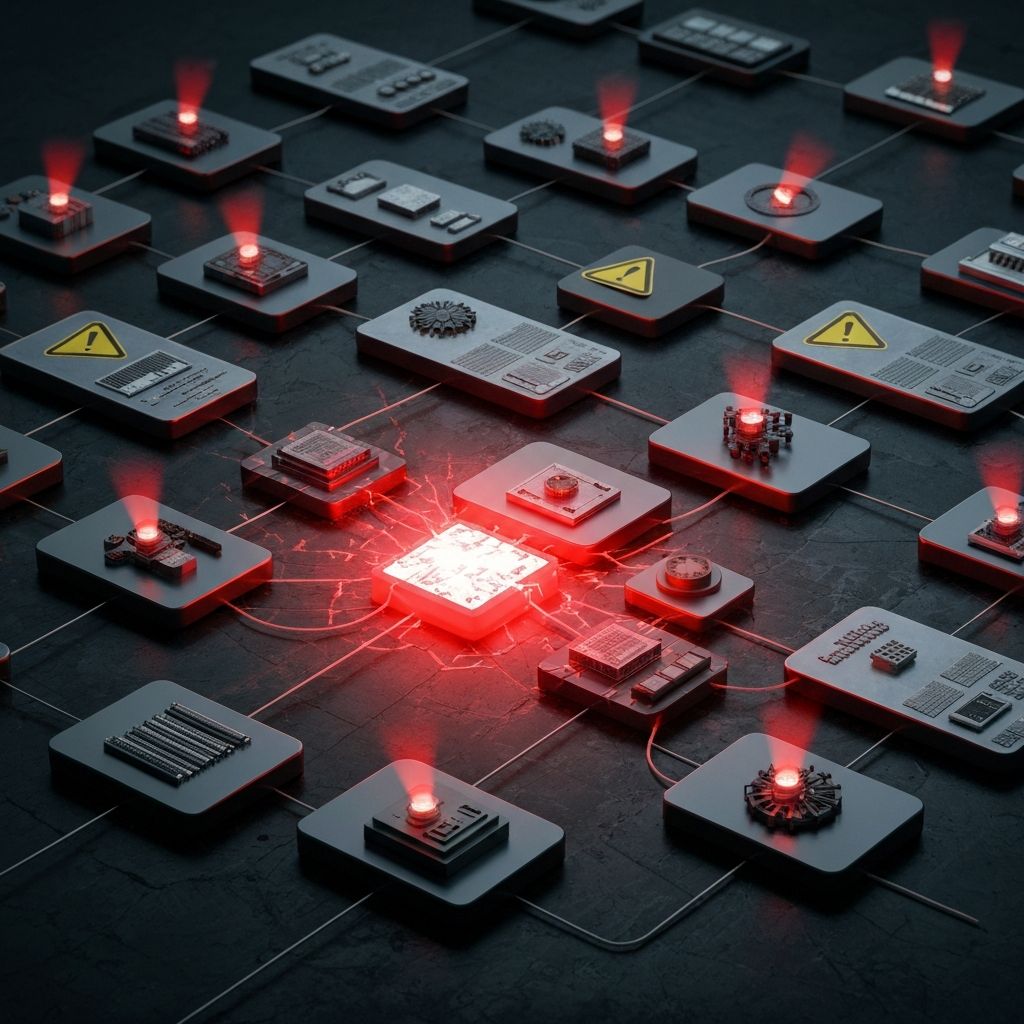
SolarWinds' customers didn't get hacked because of anything they did wrong. They got hacked because their vendor got hacked. Your security depends on the security of everyone in your supply chain.
This means asking hard questions about your vendors' security practices. How do they secure their development environment? How do they verify the integrity of their code? What happens if they're compromised?
Monitoring Matters
FireEye detected the attack because of robust monitoring—they noticed an anomaly that shouldn't have existed. Many organizations had the same backdoor for months without knowing it.
Implement logging and monitoring that can detect unusual activity. Watch for unexpected network connections, unusual authentication patterns, and access to sensitive systems from unexpected sources.
Network Segmentation Limits Blast Radius
Once inside a network, the attackers moved laterally to access additional systems. Proper network segmentation— where different parts of your infrastructure are isolated from each other—limits how far attackers can go.
Your management tools shouldn't have unrestricted access to everything. Neither should any other system. Principle of least privilege applies to software, not just users.
Know Your Software Dependencies
Can you list every piece of software running in your environment? What about the libraries those applications depend on? Many organizations couldn't quickly answer whether they were affected by SolarWinds because they didn't have good visibility into their software inventory.
Maintain a Software Bill of Materials (SBOM) that documents what you're running. When the next vulnerability or compromise is announced, you need to know quickly whether it affects you.
Have an Incident Response Plan
When you discover a compromise—or suspect one—do you know what to do? Who to call? What to preserve for investigation? What to shut down immediately?
Have a plan before you need it. Practice it. The middle of an incident is the wrong time to figure out your response process.
The Broader Impact
SolarWinds prompted a fundamental shift in how governments and enterprises approach cybersecurity. President Biden signed an executive order requiring federal agencies to implement Zero Trust architecture and requiring software vendors to meet security standards. The concept of Software Bill of Materials moved from best practice to regulatory requirement in many sectors.
More broadly, SolarWinds demonstrated that supply chain attacks are a permanent feature of the threat landscape. If nation-state actors can compromise a widely-trusted software vendor, they can potentially access any organization that uses that vendor's products.
This doesn't mean we can't use software—that's impossible. It means we need to approach software supply chain security with the same rigor we apply to other security domains.
The Bottom Line
SolarWinds was a watershed moment in cybersecurity. It demonstrated that following best practices isn't enough when the supply chain itself is compromised. It showed that even the most security-conscious organizations are vulnerable through their vendors. And it proved that nation-state actors are willing and able to execute extraordinarily sophisticated, long-term operations to achieve their objectives.
For organizations of all sizes, the message is clear: trust, but verify. Know your vendors' security practices. Monitor for unusual activity. Segment your networks. Maintain visibility into your software dependencies. And always have a plan for when things go wrong—because eventually, they will.
The question isn't whether you can be breached. It's whether you'll know when it happens and be able to respond effectively.